Last Updated on November 27, 2025 by Noria ALHUSAM
Introduction to Vitamin B12 (Cobalamin)
Vitamin B12: The Vital Nutrient for Nerve Health, Blood, and Energy
Vitamin B12 (Cobalamin) is an essential nutrient that the human body cannot synthesize on its own, making it absolutely necessary to obtain through diet or supplements. As a water-soluble vitamin, Vitamin B12 plays a crucial role in many vital biological functions, particularly those related to nervous system health, red blood cell production, and energy metabolism.
Recent studies indicate that Vitamin B12 deficiency is more widespread than previously believed, especially among vegetarians, vegans, and older adults. This underscores the importance of understanding what Vitamin B12 is, why the body requires it, and how to maintain adequate levels to avoid long-term complications such as neurological disorders, anemia, and cardiovascular problems.
What is Vitamin B12?
Vitamin B12 is an essential water-soluble nutrient that the body cannot produce on its own, so it must be obtained through diet or supplements.
Importance of Vitamin B12 for the Body
Vitamin B12 (Cobalamin) is one of the essential vitamins for both physical and mental health. Its critical roles include:
-
Maintaining nerve health: It helps build the myelin sheath that surrounds and protects nerves.
-
Supporting DNA production: Necessary for proper cell reproduction and division.
-
Red blood cell formation: Helps produce healthy red blood cells to prevent anemia.
-
Supporting brain function: Contributes to improved focus, memory, and mood.
-
Energy production: Assists in metabolizing fats and proteins to convert food into energy.
-
Interacting with folic acid (Vitamin B9): Together, they aid in fatty acid synthesis and regulate homocysteine levels, which, when elevated, are associated with cardiovascular disease.
Complications and Health Risks of Vitamin B12 Deficiency
Vitamin B12 deficiency is considered a serious medical condition that may lead to irreversible damage if not treated promptly. A lack of Vitamin B12 can cause multiple health disorders affecting the brain, nerves, and blood, and in some cases, the consequences may be permanent if the condition is not detected early.
1. Effects on the Nervous System and Brain
Vitamin B12 deficiency can lead to neurological and brain damage that may not be reversible. Neurological symptoms may appear in the form of:
-
Tingling or numbness in the hands and feet.
-
Poor balance and difficulty walking.
-
Memory loss and difficulty concentrating.
-
Mood changes or symptoms of depression.
Studies from Mayo Clinic and Healthline indicate that low Vitamin B12 levels are associated with an increased risk of depression, psychosis, and dementia, especially among older adults.
However, it is important to note that these symptoms are not exclusive to Vitamin B12 deficiency and may overlap with other medical conditions. Therefore, proper laboratory testing is necessary for an accurate diagnosis.
2. Blood Disorders and Anemia
Anemia is one of the most prominent signs of Vitamin B12 deficiency, occurring when red blood cells fail to develop properly.
Common symptoms of anemia caused by Vitamin B12 deficiency include:
-
Fatigue and general exhaustion.
-
Shortness of breath.
-
Heart palpitations or irregular heartbeat.
-
Pale or yellowish skin.
-
Mouth or tongue inflammation.
-
Loss of appetite or weight loss.
Chronic deficiency may also weaken the immune system, increasing susceptibility to infections.
3. Digestive System Disorders
Gastrointestinal symptoms of Vitamin B12 deficiency may include:
-
Constipation.
-
Nausea.
-
Loss of appetite.
-
Diarrhea in some cases.
Infants with Vitamin B12 deficiency may exhibit abnormal movements (such as facial tremors), feeding difficulties, irritability, and delayed neurological development if the deficiency is not treated promptly.
4. Cardiovascular Diseases
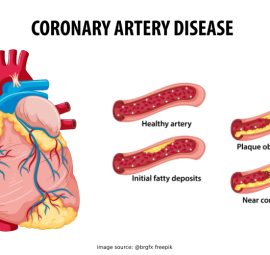
Research shows that Vitamin B12, along with Vitamin B6 and folic acid (B9), helps reduce homocysteine levels in the blood—an amino acid associated with increased risk of heart disease and stroke when elevated.
However, current evidence does not confirm that Vitamin B12 supplements alone can prevent heart disease. Still, maintaining healthy Vitamin B12 levels is considered an important part of cardiovascular protection.
Additional studies also indicate that chronic Vitamin B12 deficiency increases the risk of psychological disorders such as psychosis, mania, and dementia, particularly among older adults.
One of the most common complications of severe deficiency is megaloblastic anemia, which results from impaired formation of red blood cells. Its symptoms include:
-
Severe fatigue and low physical endurance.
-
Shortness of breath even with minimal exertion.
-
Irregular heartbeat.
-
Pale or yellowish skin due to reduced oxygen in tissues.
-
Inflammation of the tongue and mouth.
-
Weight loss and menstrual irregularities in women.
-
Diarrhea and other digestive symptoms.
Additionally, the weakened immune system resulting from Vitamin B12 deficiency increases vulnerability to bacterial and viral infections.
How Can Vitamin B12 Deficiency Be Accurately Diagnosed?
Diagnosing Vitamin B12 deficiency requires a comprehensive evaluation that combines clinical symptoms with laboratory tests, as symptoms alone are not enough to determine the exact cause.
Typically, the doctor begins by taking a detailed medical history, including dietary habits, current medications, and any chronic digestive disorders such as gastritis or absorption issues.
Key Tests for Diagnosing Vitamin B12 Deficiency
1. Serum Vitamin B12 Test
This test directly measures Vitamin B12 levels in the blood.
-
Values below 200 pg/mL indicate clear deficiency.
-
Values between 200–350 pg/mL fall into a “gray zone” and require further evaluation.
2. Methylmalonic Acid (MMA) and Homocysteine Tests
Levels of both MMA and homocysteine rise during B12 deficiency—even in early stages—making them among the most sensitive and accurate markers for early detection.
3. Complete Blood Count (CBC)
A CBC test may show signs of megaloblastic anemia, such as:
-
Enlarged red blood cells (high MCV)
-
Reduced overall red blood cell count
4. Neurological Examination
This test assesses the extent of nervous system involvement, especially if the patient is experiencing symptoms such as tingling, loss of balance, or memory impairment.
In some cases, testing for intrinsic factor antibodies may be necessary to determine whether the cause is autoimmune, as seen in pernicious anemia.
Early diagnosis is crucial, as treatment during the initial stages can prevent permanent neurological damage and restore normal blood cell function.
Groups Most at Risk of Vitamin B12 Deficiency
Vitamin B12 is an essential nutrient relied upon by the body for red blood cell production and nervous system health. Any disruption in its absorption or deficiency in dietary sources can lead to serious long-term health consequences.
Recent studies have identified several groups at higher risk of developing vitamin B12 deficiency:
1. Vegans and Vegetarians (Vegan & Vegetarian)
Vegans face a significantly higher risk of vitamin B12 deficiency due to their reliance on plant-based diets, which naturally lack animal products—the primary source of this vitamin.
A study published in the Journal of Nutrition (2024) found that over 80% of strict vegans exhibited low B12 levels after five years on a fully plant-based diet.
Pregnancy and breastfeeding further increase the body’s need for vitamin B12, making pregnant or lactating vegan women particularly susceptible. Deficiency in these cases can negatively impact fetal and infant health.
Although fortified plant-based alternatives exist, natural plant foods do not provide sufficient cobalamin to sustain long-term health.
2. Individuals with Pernicious Anemia
Pernicious Anemia is an autoimmune disorder that prevents the production of the Intrinsic Factor (IF)—a protein essential for vitamin B12 absorption from the stomach.
Without this factor, the body cannot absorb cobalamin effectively, even with adequate dietary intake.
According to Mayo Clinic (2025), patients with this type of anemia often require lifelong B12 injections to compensate for chronic deficiency.
3. Patients with Gastrointestinal Disorders or Malabsorption
This group includes individuals with chronic stomach inflammation, Celiac disease, Crohn’s disease, or those who have undergone surgery on the small intestine or stomach (e.g., bariatric surgery or partial intestinal resection).
These conditions reduce nutrient absorption, including vitamin B12.
A study from Medical News Today (2024) noted that patients who underwent gastric bypass surgery could experience severe B12 deficiency within the first year post-surgery if supplements are not taken regularly.
4. Chronic Alcohol Consumers
Individuals who consume alcohol chronically often experience impaired nutrient absorption and damage to the liver and stomach lining, reducing the efficiency of vitamin B12 absorption.
Alcohol also alters stomach lining and decreases stomach acid production, which is necessary to release B12 from dietary proteins.
5. Users of Certain Long-Term Medications
Evidence shows that some medications may reduce B12 absorption when used long-term, including:
-
Metformin: Commonly used for type 2 diabetes, prolonged use over 4 years may reduce B12 levels by up to 20% in some patients (WebMD, 2025).
-
Proton Pump Inhibitors (PPIs) such as omeprazole, used to treat chronic acid reflux, decrease stomach acid secretion, hindering the release of B12 from food.
Dietary Sources of Vitamin B12
Vitamin B12 naturally occurs in animal products, as plants cannot produce it. Consuming animal-based foods or fortified alternatives is essential to prevent deficiency.
1. Liver and Red Meat
Liver, especially lamb liver, is among the richest natural sources of B12.
It also provides essential minerals like copper and selenium, along with multiple vitamins A and B.
Beef is also an excellent source of B12; opt for lean cuts and grill instead of frying to preserve vitamin content.
2. Fish
Fatty fish are excellent B12 sources:
-
Tuna: High in protein, vitamins, and minerals, with elevated B12 levels.
-
Salmon: Provides omega-3 fatty acids and B vitamins, supporting heart and brain health.
-
Trout: Freshwater fish rich in B vitamins and minerals like phosphorus, manganese, and selenium.
-
Sardines: Contain B12 and anti-inflammatory omega-3s that promote cardiovascular health.
-
Shellfish: Extremely rich in B12 and iron, also a potent source of antioxidants.
3. Eggs
Eggs are rich in B vitamins, especially B12.
Studies show the yolk contains more B12 than the white, and absorption from the yolk is faster and easier.
Eggs also provide vitamin D and complete proteins essential for muscle and bone health.
4. Milk and Dairy Products
Milk and dairy products (yogurt, cheese, and regular milk) are rich in B12.
Research from Healthline and Mayo Clinic indicates that B12 absorption from milk is superior to that from meat or eggs.
Including dairy in daily diets is recommended, particularly for children and older adults.
5. Fortified Plant-Based Milk Alternatives
For vegans avoiding animal milk, fortified alternatives such as soy, almond, or rice milk are excellent, provided they are enriched with B12.
For example, one cup (240 ml) of fortified soy milk may provide about 86% of the daily B12 requirement.
6. Fortified Cereals and Nutritional Yeast
-
Fortified Cereals: Ideal for vegans; contain synthetic B12 and help elevate blood levels when consumed daily.
-
Nutritional Yeast: A plant-based source rich in proteins, minerals, and especially B12 produced through bacterial fermentation.
It can also help mitigate B12-deficiency anemia.
When Should You Take Vitamin B12 Supplements?
Medical organizations recommend supplementation in the following cases:
-
At Risk of Deficiency: Older adults, pregnant or lactating women, vegans, and individuals with gastrointestinal disorders or post-surgery.
-
Intrinsic Factor Deficiency (Pernicious Anemia): Oral supplements are insufficient; lifelong injections are needed.
-
During a Plant-Based Diet: Vegans should take regular B12 supplements, particularly during pregnancy and lactation.
Forms of Vitamin B12 Supplements
Vitamin B12 is available in multiple forms:
-
Oral Tablets or Capsules: Suitable for mild deficiency.
-
Chewable or Sublingual Tablets: Enhance absorption for some individuals.
-
Intramuscular Injections: Most effective for severe deficiency or absence of Intrinsic Factor.
According to Medical News Today, injections quickly restore body stores, while regular oral supplementation remains effective for individuals with normal absorption.

Turkish
العربية


Thanks I have recently been looking for info about this subject for a while and yours is the greatest I have discovered so far However what in regards to the bottom line Are you certain in regards to the supply