
 Turkish
 العربية

Last Updated on November 27, 2025 by Noria ALHUSAM
Introduction
Anemia is among the most common blood disorders worldwide. According to the World Health Organization, approximately 1.62 billion people suffer from anemia, with Iron Deficiency Anemia being the most prevalent form.
Anemia types vary in causes and treatment. It can be temporary or chronic, mild or severe, and is often treatable through dietary supplements combined with a proper diet or medical interventions depending on the case.
Definition of Anemia
Anemia occurs when the number of healthy red blood cells in the body decreases, or when hemoglobin concentration within them is reduced, resulting in impaired oxygen transport to body tissues.
It is a common condition affecting energy and vitality and may indicate nutritional deficiencies or chronic diseases.
Red Blood Cells (RBCs) Overview
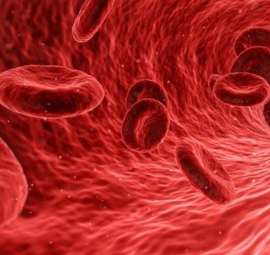
Red blood cells are the most abundant blood cells in the human body and play a crucial role in sustaining life. These cells contain hemoglobin, an iron-rich protein that binds oxygen in the lungs and transports it to various tissues, supplying them with the energy necessary for vital processes.
Red blood cells are produced in the bone marrow from hematopoietic stem cells, which are the progenitor cells responsible for generating all blood cell types, including white blood cells and platelets.
From these stem cells, erythroid progenitor cells specifically branch out to produce and mature red blood cells before they enter the bloodstream.
The functions of red blood cells include:
-
Transporting oxygen and essential nutrients to body cells and tissues.
-
Carrying metabolic waste to the liver for disposal.
-
Releasing the enzyme carbonic anhydrase, which helps convert carbon dioxide into a form that can be transported via blood to the lungs for exhalation.
-
Regulating blood pH and maintaining the acid-base balance necessary for the stability of the body’s internal environment.
Types of Anemia and Their Causes
There are more than 400 types of anemia, divided into three main groups:
-
Anemia resulting from blood loss.
-
Anemia due to deficiency or abnormal production of red blood cells.
-
Hemolytic anemia.
1. Anemia Resulting from Blood Loss
This type occurs due to acute or chronic bleeding, which may result from:
-
Stomach or intestinal ulcers, or cancer.
-
Surgical procedures.
-
Use of non-steroidal anti-inflammatory drugs (NSAIDs) such as aspirin or ibuprofen.
-
Heavy menstrual bleeding or repeated childbirth in women, particularly with uterine fibroids.
2. Anemia Due to Deficiency or Abnormal Production of Red Blood Cells
This occurs when the body does not produce enough red blood cells or when these cells are abnormal. Causes include:
a. Bone Marrow and Stem Cell Disorders
-
Aplastic Anemia: Occurs when hematopoietic stem cells are deficient or absent, which may be due to genetic causes, radiation, medications, or infections.
-
Lead Poisoning: Leads to bone marrow damage and reduced red blood cell production.
-
Multiple Myeloma and Leukemia: Tumors affecting bone marrow, reducing its ability to produce healthy blood cells.
b. Inherited Anemia
-
Thalassemia: A genetic disorder affecting hemoglobin production, resulting in reduced red blood cell production and increased destruction. It is prevalent in the Mediterranean, Middle East, and Southeast Asia.
-
Sickle Cell Anemia: A genetic defect causing red blood cells to adopt a crescent shape, reducing their oxygen-carrying capacity and causing microvascular blockages and severe pain.
c. Nutritional Deficiency Anemia
-
Iron Deficiency Anemia: The most common type, caused by insufficient iron necessary for hemoglobin production.
-
Vitamin Deficiency Anemia: Primarily due to lack of vitamin B12 or folic acid, either from poor diet or malabsorption (as in pernicious anemia).
3. Hemolytic Anemia
Occurs when red blood cells are destroyed faster than the body can produce them. Causes may be hereditary, such as G6PD deficiency or hereditary spherocytosis, or acquired due to autoimmune diseases, infections, or certain medications.
Symptoms of Iron Deficiency Anemia
Symptoms of iron deficiency anemia vary depending on the severity and underlying cause. They may be mild initially or develop into more severe and bothersome signs if the deficiency persists. Key symptoms include:
-
Fatigue & Weakness
Patients feel exhausted even during simple daily activities because iron deficiency reduces the blood’s ability to carry oxygen to tissues.
According to a 2023 study published in Journal of Clinical Medicine, 75% of individuals with iron deficiency anemia reported unexplained fatigue. -
Dizziness & Headache
Caused by decreased oxygen supply to the brain.
A 2024 study in Journal of Clinical Medicine reported that 45% of people with iron deficiency anemia experienced recurrent headaches. -
Pallor
Skin becomes pale, especially in the face, palms, and lips, due to a reduced number of red blood cells. -
Palpitations & Irregular Heartbeat
May occur in advanced cases as the heart works harder to compensate for oxygen deficiency. -
Shortness of Breath
The body tries to compensate for low oxygen by increasing the breathing rate, especially during physical exertion. -
Brittle Nails & Hair Loss
Fragile nails with small bumps and hair loss or noticeable thinning. -
Pica (Appetite & Eating Behavior Disorders)
The desire to eat non-food items such as soil, ice, or starch.
A 2022 study in Pediatric Hematology found that pica commonly appears in children and adolescents with iron deficiency anemia. -
Bone, Joint, Chest, or Abdominal Pain
Occurs due to oxygen deficiency in muscles and tissues and may sometimes be accompanied by persistent headaches. -
Growth Problems in Children & Adolescents
Iron deficiency can lead to poor concentration and delayed physical and mental development. -
Restless Legs Syndrome
Causes of Iron Deficiency Anemia
Iron deficiency anemia is among the most common types of anemia, with causes ranging from dietary factors, chronic bleeding, malabsorption, to chronic medical conditions. Key scientifically documented causes include:
-
Dietary Iron Deficiency
Poor iron intake is a major cause, especially in infants, children, adolescents, and vegetarians relying on non-heme iron from plant sources, which is absorbed at very low rates.
According to a 2023 study in Nutrients, iron absorption from plant sources does not exceed 10%, compared to 25% from animal sources.
Certain plant foods, such as legumes and leafy vegetables, contain phytates and oxalates that inhibit iron absorption. -
Chronic Bleeding or Blood Loss
Slow, persistent bleeding is the most common cause in adults, often originating from the gastrointestinal tract due to stomach or small intestine ulcers, colon cancer, or internal hemorrhoids.
According to a 2024 report by the American Gastroenterological Association, 60% of anemia cases in men and the elderly are due to unseen internal bleeding. -
Blood Loss in Women
Heavy menstrual bleeding is a leading cause in women of reproductive age. Pregnancy and lactation also consume significant iron stores to support the fetus and infant. -
Frequent Blood Donation
Repeated blood donation depletes the body’s iron stores, especially if not compensated through diet or supplements. -
Poor Iron Absorption in the Intestines
Some individuals have absorption issues due to:-
Hypochlorhydria (low stomach acid), which impairs conversion of iron into an absorbable form.
-
Gallbladder removal or gastrointestinal surgeries such as colon surgery.
-
Malabsorption syndromes.
-
-
Medications That Impair Iron Absorption
Some medications reduce iron absorption or cause iron depletion, including:-
Antacids.
-
Certain antibiotics.
-
Long-term use of painkillers like paracetamol or aspirin.
A 2024 study in Journal of Clinical Pharmacology noted that chronic antacid use may reduce iron absorption by up to 40%.
-
-
Processed Diets
Excessive reliance on white flour, refined sugars, fried foods, and canned products depletes trace minerals, including iron, and increases inflammation that hinders absorption. -
Chronic Inflammation and Autoimmune Diseases
During inflammation, the immune system sequesters iron to prevent bacterial growth, leading to lower blood levels.
A 2024 study in Frontiers in Immunology indicated that chronic inflammation from autoimmune diseases like rheumatoid arthritis and lupus may result in “Anemia of Inflammation.” -
Chronic Diseases
The following conditions increase anemia risk:-
Rheumatoid arthritis and autoimmune diseases.
-
Liver and kidney diseases.
-
Colon or stomach cancer.
-
Thyroid disorders.
-
Inflammatory bowel diseases (e.g., Crohn’s disease, ulcerative colitis).
-
-
Beverages That Impair Iron Absorption
Heavy black tea or strong boiled coffee reduces iron absorption, especially when consumed immediately after meals.
A 2022 study in European Journal of Nutrition reported that drinking tea right after a meal may reduce iron absorption by up to 60%.
Prevention and Dietary Management of Iron and Vitamin Deficiency Anemia
Not all types of anemia are preventable, but following a healthy, balanced diet rich in vitamins and minerals can significantly reduce the risk of iron and vitamin deficiency anemia.
-
Maintaining Stomach and Gut Health
-
Maintaining adequate stomach acid is important, as its deficiency can impair absorption of essential minerals like iron and calcium.
-
Enhancing beneficial gut bacteria improves mineral and vitamin absorption.
-
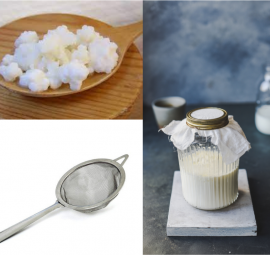
Sources of probiotics: yogurt, kefir, naturally fermented bread, sauerkraut, soft cheese.
-
Avoid foods that harm beneficial bacteria: refined sugars, genetically modified foods, fast food, fried foods, and some antibiotics.
A 2023 study in Nutrients showed that enhancing gut microbiome improves iron absorption by up to 30%.
-

-
Diet Rich in Iron, Folate, and Vitamins
Consuming foods rich in iron, folic acid, copper, vitamin A, and vitamin C enhances iron absorption and red blood cell production:-
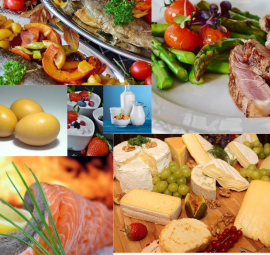
Animal sources: Red meat such as beef, egg yolk, iron-rich dairy products.
-
Plant sources: Dark leafy greens (spinach, purslane, leek), broccoli, beetroot, sweet potatoes, arugula, Swiss chard, red bell peppers.
-
Seeds & Nuts: Flaxseeds, almonds, walnuts.
-
Legumes & Dried Fruits: Lentils, beans, dates, dried fruits.
-

-
Natural Supplements
Taking spirulina, propolis, and natural pollen supports immune health and prevents fungal and parasitic growth.
Propolis helps combat Candida, maintaining beneficial bacterial balance.

-
Daily Nutritious Meals
-
A plate of yogurt with a spoon of fenugreek and dates with a spoon of honey in the morning and evening.
-
Adding a plate of protein and fresh vegetables helps prevent anemia and accelerates recovery.
-
-
Regular Physical Activity
Exercise stimulates red blood cell production as physical activity increases oxygen demand, prompting the body to produce more red blood cells.
A 2022 study in Journal of Applied Physiology showed that regular aerobic exercise increases red blood cell count by 10–15%. -
Consultation with a Physician
In some cases, diet or lifestyle changes alone are insufficient to restore red blood cell counts to healthy levels.
Persistent deficiency or underlying causes like bleeding or chronic diseases may require supplements or medications
المراجع العلمية
-
Dr. Berg & Dr. Muhammad Al-Fayed – Educational insights on iron metabolism (2025).



This article was spot-on! You always hit the mark with your content.
“I can’t express how valuable this post is! The level of detail and thoughtful explanations demonstrate your mastery of the subject. Truly a goldmine of information.”