
 Turkish
 العربية

Last Updated on November 19, 2020 by souqnorwp
What is Vitamin K?
Vitamin K, discovered in 1929, is a fat-soluble vitamin needed for chemical modification of a small group of proteins with calcium-binding properties, commonly known as Gla proteins.
The most important functions of vitamin K.
- The most important known role of Vitamin K is to maintain normal blood clotting. Vitamin K is involved in the post-translation modification of the glutamate residue to the glutamate carboxyl residue in the formation of the clotting protein (prothrombin).
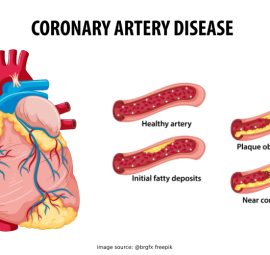
- Vitamin K2 activates a protein that prevents calcium from being deposited in the walls of blood vessels and kidneys, and thus may reduce the risk of coronary and vascular diseases.
- It acts as a cofactor in adding carboxylate to glutamate in the proteins responsible for bone formation by increasing healthy bone mineral density. Vitamin K2 plays an essential role in the metabolism of calcium, the main mineral found in bones and teeth. One of the main regulatory proteins in dental health is osteocalcin – the same protein that is important in bone metabolism and is activated by vitamin K2.
- A high level of glucose in the blood may increase a person’s risk of depression, anxiety, and cognitive impairment, so vitamin K may help make the blood glucose level adequate, and thus may reduce symptoms of anxiety and depression.
- Vitamin K2 may help protect against cancer, due to the fact that it contains antioxidants. In addition, it may suppress the genetic processes that lead to tumor growth.
- A 2019 study reports that K-2 significantly reduces the hypoxia-induced factor 1-alpha (HIF-1A) activity in HCC cells. HIF-1A is an important target for cancer drug therapy.
- Vitamin K helps facilitate energy production in the mitochondria of cells.
- Vitamin K protects cell membranes from damage by excess free radicals in a process known as peroxidation. But blood-thinning medications may reduce the antioxidant capacity of vitamin K.
- A 3-year study of 244 postmenopausal women found that those who took vitamin K2 supplements had a much slower reduction in age-related osteoporosis.
- Vitamins A and D are also believed to play an important role here, working synergistically with vitamin K2.
Symptoms of vitamin K deficiency
- Vitamin K deficiency causes bleeding through the lack of coagulation protein activity, which may be in the form of bruising on the skin, or bleeding from the nose, stomach or intestine, or from a wound. The bleeding may be difficult to stop after an injury or surgery, and the risk of bleeding increases by the presence of Disturbance in the liver because the liver produces clotting factors.
- Bleeding may occur in or around the newborn’s brain.
- Vitamin K deficiency may weaken bones.
- Vitamin K deficiency can make your period heavier.
Causes of vitamin K deficiency
- Newborn babies may be more susceptible to vitamin K deficiency due to insufficient passage of vitamin K from the mother to the fetus during pregnancy, or because of the absence of beneficial bacteria in the intestine that work to produce vitamin K, due to cesarean delivery and lack of breastfeeding, for example.
- Not following an ideal diet that contains vitamin K.
- Not to eat healthy fats or reduce them, because vitamin K is absorbed more with the presence of fats.
- Blockage of the yellow ducts, which causes poor absorption of fats, and thus reduces the absorption of vitamin K.
- People who suffer from digestive disorders and ulcerative colitis, are more likely to have a vitamin K deficiency.
- Certain medications, such as taking antibiotics for a long time, can kill the beneficial bacteria that produce vitamin K in the intestine, and some cholesterol-lowering drugs also interfere with the body’s ability to absorb vitamin K.
Natural sources of vitamin K.
- Vitamin K1 (phylloquinone): It is found in plant foods such as leafy greens such as spinach, kale, cabbage, lettuce, radish, broccoli, carrots, vegetable oils such as soybean and canola oil (and to a lesser extent cottonseed and olive oils) berries, grape, avocado.
- Vitamin K2, found in animal foods, is high-fat dairy products from grass-fed cows, egg yolks, as well as liver and other organ meats and fermented foods, pickled cabbage, chicken, and fatty fish such as salmon.
- Vitamin K2 is also produced by gut bacteria.
- The body can convert vitamin K1 to K2 in part, because the amount of vitamin K1 in an ideal diet is ten times the amount of vitamin K2.
- It is possible to boost the body’s need for vitamin K2 from supplements when combined with a vitamin D supplement, because these vitamins reinforce each other.
The difference between vitamin K1 and K2
Vitamins K-1 and K-2 contain different chemical formulations. Both types contain phytyl side chains, but K-2 also has isoprenoid side chains.
- A study conducted on 36,629 patients with high blood pressure, after consuming large amounts of vitamin K1 and K2, found that vitamin K2 helped them prevent peripheral arterial disease, while vitamin K1 had no effect.
- K2 contains several subspecies, called menaquinones (MKs), which scientists have numbered from MK-4 to MK-13, based on the length of their side chains.
- K1 is the primary form of the vitamin, and it is mainly found in leafy vegetables, however, the body has difficulty absorbing vitamin K1 from plants.
- According to a 2019 review, research indicates that the body absorbs 10 times more vitamin K2, in the form of MK-7, than vitamin K1.
- The body stores vitamins K1 and K2 differently. K1 accumulates in the liver, heart, and pancreas. K2 is found in high concentrations in the brain and kidneys.
- The only important molecular form of vitamin K in plants is phylloquinone (vitamin K1).
- Bacteria can form a group of compounds called menaquinone (vitamin K2).
https://www.healthline.com/nutrition/vitamin-k2#cancer
https://www.medicalnewstoday.com/articles/325059#summary
https://ar.wikipedia.org/wiki/%D9%81%D9%8A%D8%AA%D8%A7%D9%85%D9%8A%D9%86_%D9%83
https://www.nrv.gov.au/nutrients/vitamin-k






Thanks for another informative blog. Where else may I get that kind of information written in such an ideal manner?I have a project that I am simply now operating on, and I’ve been at the look out for such info.