Turkish
 العربية
Last Updated on June 8, 2020 by Noria ALHUSAM
The mechanism of the occurrence of allergies
When some people are allergic to foreign matter such as pollen, pet dander, food, or any other allergens, the immune system produces antibodies that can cause a reaction in some people, and these causes are identified as harmful, and allergies occur. Then this reaction can lead to inflammation of the sinuses, airways, skin or digestive system.
Allergy symptoms
- Allergic reactions can range from mild to severe, and allergies can lead to a life-threatening reaction known as anaphylaxis.
- It can cause allergic rhinitis (hay fever), sneezing, itching of the nose, eyes, or roof of the mouth. It can also cause runny, stuffy nose, watery, red or swollen eyes (conjunctivitis).
- Dietary allergies can cause:
Tingling in the mouth, swelling of the lips, tongue, face or throat, chills, hypersensitivity.
- Insect bite allergy can cause:
Swelling in the bite site, itching or urticaria throughout the body, coughing, chest tightness, wheezing, or shortness of breath, anaphylaxis.
- Atopic Dermatitis, a skin allergy condition also called eczema, can infect the skin with:
Itching, redness, scaling, excessive sensitivity.
- Some types of allergies can lead to a severe reaction, called anaphylaxis, that causes a potentially life-threatening shock.
- Signs and symptoms of anaphylaxis include:
Loss of consciousness, low blood pressure, severe shortness of breath, rash, dizziness, weak rapid pulse, vomiting and nausea.
Causes of allergies
Anaphylaxis begins when the immune system errs in a non-harmful and not dangerous substance and considers it harmful. It produces antibodies in a state of alert for this sensitivity. When the body is exposed to the cause of the allergy again, the antibodies release chemicals such as histamine in large quantities, which causes allergy symptoms.
These allergens include the following:
- The main cause of seasonal and acquired sensitivity is an interactive type of poison, through incomplete digestion, due to eating food that is not suitable for the type of body or that it is very heavy on digestion such as fried foods, processed meats and very cold foods that leave undigested residues that form toxins that interact with Organs, tissues or body functions and get disorders.
- One of the causes of allergies is a decrease in folic acid. Folic acid participates in many different chemical reactions, including making DNA, modifying proteins, and reducing histamine release. Folic acid also participates with a gene called MTHFR. This gene helps the body produce folic acid. But if you have a mutation or aberration in this gene, you will develop a deficiency of folic acid, and thus you will develop an allergy and a rash.
- Also causes of allergies, pollen, dust mites, animal dander, some foods such as wheat, fish, eggs, milk, nuts, shellfish, soybeans, especially peanuts.
- Insect stings.
- Medicines, especially penicillin or penicillin-based antibiotics.
- Other substances you touch, which can cause skin allergies.
Risk factors
You may be more likely to develop allergies in the following cases: –
- If you have a family history of asthma or allergies, you are more likely to develop asthma.
- When you develop severe allergies, you are at an increased risk of developing a serious allergic reaction, when eating certain foods, medicines, or insect stings.
- If you have hay fever or asthma, you are more likely to have sinus, ears or lungs.
protection
– Toxins must be removed from the body at the end of each season because the weather and the environment during one season affect the body and create certain imbalances which cause the accumulation of toxins. The body needs to get rid of these toxins before the start of another season in order to prepare it for the changes it will face. The body is also cleansed of seasonal toxins in order to purify the small channels that transport nutrient fluids to cells, because if these channels are closed, the immune system slows down. Toxins can be removed from the body before the beginning of spring and before the beginning of autumn.
The detoxification program includes a special diet and lifestyle as follows:
- Avoid heavy and indigestible foods such as ice cream, frozen foods and drinks, heavy desserts, fried foods, red meat, hard cheeses, and canned or frozen foods, as they are difficult to digest and because they also contain chemicals and preservatives that tire the liver. Instead, eat light and nutritious foods from slightly cooked vegetables, fresh fruits, leafy vegetables, whole grains, and lentil soup for protein.
- Eating warm food with spices and a little bit of ghee or olive oil.
- Drink hot water all day to detoxify.
- Get plenty of rest, and do light exercise like walking every day.
- In order to detoxify, make sure that you have a bowel movement once or twice a day. If the intestine is still slow after trying out nutritional changes, you may take 2-4 Herbal Cleanse capsules or 3-5 Amla Berry organic tablets before bed.
- At the start of the allergy season, the Aller-Defense product must be taken to remove toxins from the body at the same time to enhance immunity. These tablets help to prevent toxic reactions, improve digestion, clean the microvascular channels that transport food to cells and reduce allergens, by feeding and purifying the liver. Aller-Defense contains (turmeric, arbor, basil) to balance the body’s immune response.
- To improve digestion, avoid watching television or listening to the radio while eating, focus on food and chew carefully. Make sure that the food is visually appealing and be in stable condition while eating. Every three-quarters of the stomach. Give the meal in a moment of silence and thank God for the grace, appreciate the food, and start eating in a stable condition. After the meal is over, wait a few minutes before returning to another activity, as this will give the digestion a chance to start without interruption.
- Avoid catalysts. If you are allergic to pollen, keep indoors with windows and doors closed when pollen spreads, and clean mold from window frames and door sill.
- If the allergen is dust mites, clean all areas of the house, pillowcases and sheets, and leave the bed in the sun. Also, cover the pillows and mattresses with dust-proof covers.
- Remove the carpets and replace them with a tile, vinyl, wood floor or a light washable carpet with a vacuum cleaner and wash it frequently if you cannot do without it.
- Use washable curtains made of plain cotton or synthetic fabric.
- Avoid upholstered furniture. Use in leather, wood, metal, or plastic.
- Avoid animal hair.
- Choose an air filter that contains a small particle filter.
- Avoid using a wood stove, as smoke and gases can exacerbate respiratory allergies.
- Install a fan to suction cooking fumes and reduce moisture in the kitchen.
- Wipe excess moisture in the refrigerator to avoid mold growth. Get rid of rotting or old foods. Regularly empty and clean the drip bowl and clean or replace moldy rubber seals around the doors.
- Remove wallpaper, install tiles, or paint the walls with durable, mold-resistant paint.
Natural remedies to help get rid of allergies
- Folic acid can be obtained from vegetables with dark green leaves, as well as from liver of cow.
- Some nutritional supplements can be used once a day with a meal for three months.
- methylpholate – 4-7 mg.
- B12 – (methyl) 4000 mcg.
- B6-400 mg.
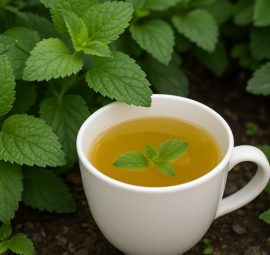
- It is possible to use nettle, an international scientific study found that it is more effective in reducing allergies than chemical treatments. It can also be used as a food supplement that supports antihistamines and allergies.
- The nettle leaves can be used by soaking the leaves in boiling water and drinking them as a tea, or tablets from the pharmacy or health food stores.
- Betaine hydrochloride can be used, which is a dietary supplement that is often used as a supplement to hydrochloric acid. It makes the acid level with a healthy level and a balanced alkaline degree to properly digest food. When the body is overly alkaline, the body develops more allergy symptoms. Betaine hydrochloride can help make acidity balanced and thus reduce allergy symptoms, such as runny nose, watery eyes, fatigue and exhaustion. It may also help revitalize the immune system so it can work faster.
- Spanish black radish. Eating radish may help relieve allergies.
- Vitamin C, in addition to its many benefits, is also beneficial in mucus and allergy for two reasons.
Because one of the main causes of allergies is oxidative stress in the body, and because vitamin C is a powerful antioxidant and anti-inflammatory, it therefore fights this oxidative stress and relieves allergy symptoms.
The second reason is that many of the allergic reactions come from the body’s immune response to allergens, such as vegetable pollen, mold, dust, and lint. Vitamin C has been shown to reduce the histamine response to seasonal allergens in the blood, such as pollen, and thus relieve many of the symptoms of these causes.
Sources of vitamin C.
Fruits such as melons, guava, oranges and papaya, as well as vegetables such as red pepper, broccoli and red cabbage.
Vitamin C can also be used as a dietary supplement.
Some ways in Ayurvedic medicine to help stop allergies on their course
- Use a neti pot (a container designed to rinse the nasal cavity) once or twice a day, with brine and distilled water, to rinse the nasal cavity, to remove allergens that may be attached to the mucous membranes.
- Dip a little sesame oil with camphor in each nostril, about an hour after using the neti pot.
- Take the trikatu Ayurvedic herbal compound, a mixture of black pepper, long pepper and ginger, before meals to warm up.
- Avoid dairy products, wheat, meat, sugars, processed foods and iced drinks, as these foods can slow down digestion.
- Eat warm and light organic foods cooked in a way that is easy to digest, cook vegetables using a little natural ghee or olive oil to calm the mucous membranes, and focus on fresh organic fruits.
- Use some spices, such as ginger, cinnamon, black pepper, turmeric, cumin, and hot pepper, to add some of them for cooking.
- Ginger tea is used because it warms the digestive system.
- Take triphala tablets at night to help rid the body of excess toxins that can cause slow digestion. Derived from fruits, it cleans and strengthens your system.
- Develop a daily pranayama routine, some pranayama techniques. One of the most popular types of pranayama is “kapal patty” where a person takes a long breath and then releases intermittently. As well Interchangeable nasal breathing “Anolum Filum ” is another exercise that can be practiced, as well as it is possible to practice another technique of pranayama, which is taking a deep breath and holding it for the longest time, this technique helps to enhance the ability of the lung. But if you have high blood pressure or heart problems, you should not hold your breath.
- Exercise daily for 30 minutes, bike, picnic, exercise, or yoga.
- Using Godocchi is an Indian herb and is used to treat many infectious diseases, it helps to strengthen the immune system, as well as dry ginger, long pepper, black pepper, main katkins and Nutgrass are yoga fahi herbs, which means that they increase the biological availability of other herbs in Formula.
https://www.mayoclinic.org/diseases-conditions/allergies/in-depth/allergy/art-20049365
https://www.mayoclinic.org/diseases-conditions/allergies/symptoms-causes/syc-20351497
https://www.drberg.com/search?query=Allergyhttps://kripalu.org/resources/10-ways-beat-allergies-ayurveda
https://www.ncbi.nlm.nih.gov/pmc/articles/PMC6947868/
https://www.mapi.com/ayurvedic-knowledge/allergens/ayurvedic-allergen-solution.html