
 Turkish
 العربية

Last Updated on July 21, 2020 by support SOUQNOR
What is protein
Proteins are large and complex biomolecules consisting of hundreds or thousands of smaller units called amino acids, which are connected to each other in long chains. It performs many and various functions in the parts of organisms.
Some types of essential proteins that the body produces
- Skeletal, such as keratin, strengthens protective caps such as hair, as well as collagen and elastin also have a structural function, as they support connective tissues.
- Hormonal, like insulin.
- vectors, such as hemoglobin.
- Enzymes, proteins and catalysts that accelerate chemical reactions, such as amylase.
The risks of protein deficiency in the body
- A lack of protein in your diet can cause the body to not produce enough neurotransmitters that transfer information between cells because these vectors are made from amino acids and thus the way the brain works will change with decreased levels of dopamine and serotonin, for example, you may feel depressed or aggressive .
- Not eating enough protein affects the muscles responsible for movement, especially those aged 55 and over. Muscle mass weakens, which leads to your weaker strength and slows down metabolism. It can also lead to anemia when cells do not get enough oxygen, which makes you feel tired.
- Hair, nails and skin are made up of proteins such as elastin, collagen and keratin. When the body can’t make it, you can have brittle or fluffy hair, dry and scaly skin, and deep edges on the nails. Diet is not the only reason, but it should be considered.
- Lack of protein in the body may lead to hunger, because the body needs three sources of calories. Carbohydrates, fats and proteins. If you find yourself needing more meals, you may need more proteins. Studies have found that eating foods with protein helps to feel full for a longer period and therefore you do not need many meals that can stimulate insulin secretion more.
- People with a low protein content often find that cuts and scrapes take longer to improve. There could be another effect.
- Amino acids in the blood, help the immune system to create antibodies that activate white blood cells to fight viruses, bacteria, and toxins. Therefore you need protein to digest and absorb other nutrients that maintain the health of the body, as well as the lack of protein may change the level of beneficial bacteria that fight diseases in the intestine.
- Protein deficiency can cause dropsy, as a person is exposed to swelling in the lower end of the legs or ankle and hands, when protein deficiency (albumin) occurs, fluid collects in the space between cells outside the blood, and may also occur in the form of a cyst in the abdomen, also called Edema (meaning fluid-filled sac).
- Skin infections or skin diseases such as psoriasis.
Symptoms of increased protein in the body
- Foam urine occurs when the protein leaks into the urine, when that happens the liver may be defective, and it also means eating a lot of protein. The high protein content can weigh on the liver and kidneys.
- With the high level of protein, part of the protein can be broken down and a large amount of uric acid produced, thus forming gout crystals.
- Decreased appetite.
- Being overweight, usually the excess protein is stored as fat, this can lead to weight gain over time.
- Increased protein can lead to constipation, especially if the diet is low in fiber.
- Excess protein can cause kidney damage in people with pre-existing kidney disease. This is because of the increased nitrogen present in the amino acids, as the damaged kidneys must work harder to get rid of excess nitrogen and protein metabolism waste.
- The risk of colon, rectal, breast and prostate cancer increases when you eat more protein from red meat. Scientists believe this may be due to hormones and cancer-causing compounds when these meats are not organic.
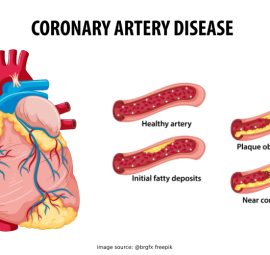
- Excess protein can cause heart disease. A 2018 study showed that long-term consumption of red meat could increase methyl nitrogen oxide (TMAO), an intestinal chemical associated with heart disease. The results also showed that reducing or eliminating food red meat reversed the effects.
How to avoid protein deficiency in the body?
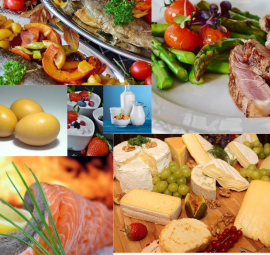
- We must obtain proteins from animal sources, because to obtain a non-animal protein we will only get some amino acids and therefore it is not possible to manufacture the full proteins that the body needs. It’s easy to get animal protein that contains whole amino acids like eggs in particular, as well as seafood or fish in general.
- The quality of the protein should be high, meaning that it is not genetically modified, not an incomplete plant protein, etc.
- You should not add intoxicants to protein, such as ketchup, because sugar speeds up insulin to a great degree, and thus will create all kinds of symptoms of blood sugar, in addition to belly fat and so on ..
- There is a very strong acid in the stomach called hydrochloric acid (HCI).
- Symptoms of its deficiency appear in many people, decreasing for many reasons, including aging, and this in itself causes a big problem, because when there is not enough hydrochloric acid you will have a deficiency in digesting protein with a general lack of absorption of minerals. This acid is present to break down proteins, and if the proteins do not break down, symptoms of rot, such as gas, indigestion and gastroesophageal reflux, will all occur when the acid level in the stomach is low.
- If the acid level is good in the stomach it can also break down collagen well and thus you will get healthy tendons, ligaments and connective tissue.
- It is possible to make this acid balanced by eating the following: –
- Drink Apple cider vinegar.
- Consuming a lot of leafy vegetables.
- Reduce processed foods.
- Eat fermented vegetables, such as kimchi and sauerkraut.
- Eat ginger.
- Increased intake of zinc.
- Mineral deficiency leads to problems in hair, skin and nails, so care must be taken to obtain rare minerals in small quantities, in order for the body to metabolize proteins, because these minerals participate in all cellular mechanics of the protein.
- Maintain a healthy liver in order to manufacture protein for the body. Because if you suffer from tissue stiffness, fatty liver or hepatitis, all of these reasons may cause a lack of protein in the body.
- Maintaining a healthy kidney, because the kidneys clean the blood from toxins through the urine and retain protein in the blood, but when a kidney problem occurs, you drain the protein with urine and thus its deficiency occurs in the body.
- You must maintain a normal level of insulin, because diabetes or prediabetes make the body unable to absorb enough protein, because the cell needs insulin in order to absorb amino acids and make proteins.
- To obtain biotin, B6, B5, because it is necessary for protein digestion. The deficiency of one or more of these vitamins can cause major protein problems, such as brittle nails, alopecia, male baldness, psoriasis, and eczema. Vitamin B5 deficiency is associated with facial acne, sleep disturbances, stomach pain and nausea.
- Eat a lot of raw vegetables, raw nuts and raw seeds and not to overeat the meat.
https://ghr.nlm.nih.gov/primer/howgeneswork/protein
https://ghr.nlm.nih.gov/primer/howgeneswork/protein
https://www.healthline.com/health/too-much-protein#see-a-doctor
https://www.medicalnewstoday.com/articles/196279#what_are_proteins




Wonderful web site. Lots of useful info here. I’m sending it to a few friends ans additionally sharing in delicious. And obviously, thanks to your effort!