Turkish
 العربية

Last Updated on November 29, 2025 by Noria ALHUSAM
introduction
Anxiety about the Corona virus, and the uncertainty of how to confront it, causes many questions in your head: Can it end soon? Is it possible for the high summer heat to kill it and end? Is it possible to find an effective vaccine for this virus? Is there something from nature that can stop it?
All these questions did not reach the scientists to certain results, so you will continue to be uncertain, and this thing will cause a lot of fear and anxiety, and it will let you search more and more, hear the news more and more, and during this thing you will hear many rumors that are not related to the truth. From your fear, you may try things only because you heard that someone else tried them or that they are useful, but perhaps these things lead to death, such as trying medical alcohol, and the results were death, or some prescription drugs for malaria, and so on.
But do not forget that you are not helpless, you can overcome your fears and anxiety, because fear and anxiety would weaken immunity and may cause some diseases that would help the Corona virus to kill you if you were infected with it. With a little prudence, you can get through this difficult time. It’s a scary time. We’re in the midst of a global pandemic and we’re all watching the headlines, and we’re wondering, ‘What happens next?
Definition of anxiety
It is a psychological, physiological, and behavioral condition believed to originate in the amygdala gland in the brain that controls many intense emotional responses, while neurotransmitters carry the impulse to the sympathetic nervous system. These changes facilitate coping with a negative or unexpected situation. Anxiety prepares the body for a state of preparedness to face a specific crisis, in response to a specific stimulus that occurs at the present time, or in anticipation of the presence of a potential threat in the future, such as a danger to the body or life in general.
Symptoms of anxiety
- Increased heart rate and shortness of breath.
- Nervousness and tension.
- Difficulty concentrating.
- Muscle tension.
- In the short term, blood flow from the abdominal organs is diverted to the brain.
- Mild dizziness, nausea, diarrhea, and frequent urination.
When anxiety persists, it can affect mental and physical health. It can destroy cells in the body and cause many problems with body functions, including heart disease, chronic respiratory disorder and digestive conditions such as irritable bowel syndrome.
The biggest impact is on the immune system.
People with these anxiety disorders suffer from untreated anxiety, the disease itself is difficult to treat, physical symptoms often get worse, and in some cases these patients die early.
Things you can do to support yourself and reduce anxiety and stress
- Try to avoid watching or constantly reading the news.
- Meditate or take a deep breath, and exercise regularly, even if it’s light exercise at home.
- You must continue breathing for a period of 4 to 5 seconds, and then release the breath for 4 or 5 seconds of the same time for both of them, and be slow, as this will end the anxiety attack.
- Get enough sleep.
- Do some activities that you enjoy.
- Remotely communicate with your relatives and loved ones, but avoid talking about the disease, and let your conversations be interesting and useful.
- Reassure your child and tell him that he is safe, tell them to express their concerns, do not expose them to the news, have them engage in activities at home and practice relaxation in addition to following their lessons.
Use relaxation techniques to reduce stress
- Breathing technique: Take a long, slow and deep breath. This method gently distracts your mind from thoughts and feelings, but this technique is not beneficial for patients with respiratory system or heart.
- Focus on breathing technique with gradual muscle relaxation, after a few minutes of deep breathing, focus on a group of muscles or one part of the body, so your mind releases any physical tension you feel in that part of the body that you focused on. If there are any problems in the body or you have recently undergone surgery, this technique may be less effective.
- The guided imagery technique, evoking soothing places or images, may help reinforce your positive self-perception.
- Meditation, this technique involves sitting comfortably, focusing on your breathing, and drawing your mind’s attention to the present moment. Research suggests that meditation may benefit people who experience anxiety, depression, and pain.
- Prayer, there is nothing better than praying and reciting the Qur’an to feel calm and relaxed.
Experts recommend trying more than one technique to find what works best for you. The longer you practice these techniques, the greater your ability to relax and reduce stress.
Get rid of anxiety and stress with food
- Eat a healthy diet that contains lots of vitamins and minerals.
- Obtaining vitamin B1, because it provides a feeling of comfort, you can take all the B vitamins either from nutritional supplements such as nutritional yeast, because it is rich in B vitamins or from sheep and beef liver, or we enhance the beneficial bacteria in the intestine (flora) because these bacteria create B vitamins in The intestines are in addition to folic acid, biotin and other elements, and it also makes amino acids that can be transformed into neurotransmitters such as melatonin, serotonin, dopamine and others, all of these hormones are neurotransmitters that help you feel calm and sleep at night. B vitamins can treat imbalances in GABA, serotonin, dopamine, and epinephrine that contribute to anxiety. B vitamins are needed to provide energy to brain cells and to create neurotransmitters. Anxiety, depression, fatigue, and poor concentration are signs of a vitamin B deficiency.
- Take probiotics:
The gut contains beneficial microbes called microbiomes that have a profound effect on the brain and mood, and this microbiome is responsible for making more than 30 neurotransmitters, including serotonin, to improve mood and relax.
Neurologist Dr. David Perlmutter says in his book, The Brain Maker, that the microbiome has the ability to protect the brain and heal some diseases and says that if the microbiome is disturbed, it is the root cause of anxiety, depression and other disorders related to the brain.
Research shows that taking probiotic supplements for 30 days can reduce anxiety and depression related to stress. There are plenty of foods that contain probiotics that boost a healthy gut microbiome such as asparagus, bananas, barley, leeks, garlic, lentils, onions, and fermented yogurts or pickles like sauerkraut.
Avoid eating refined carbohydrates, artificial sweeteners, and genetically modified food, because these things reduce beneficial bacteria, and indirectly this affects the neurotransmitters and the microbes that make B vitamins, thus affecting mood.
- magnesium:
Magnesium deficiency is a major cause of anxiety, as it reduces the release of stress hormones and acts as a filter to prevent them from entering the brain.
Also, magnesium is a very useful mineral that helps calm the adrenal glands and fight anxiety. It is very important, and it is recommended to take large amounts for those who suffer from anxiety.
- Vitamin D:
Vitamin D can help reduce anxiety and depression associated with fibromyalgia.
It may be a cause of anxiety and depression that afflicts some people with seasonal affective disorder (SAD).
- whale liver oil:
Omega-3 is an essential fatty acid that has benefits for brain cell membranes and nerve cells, as it reduces chronic inflammation of the brain.
When brain cells are healthy, they are the first line of defense against anxiety, depression and other mood disorders.
- Mineral silver nitrate:
This is a suitable treatment if you are always anxious and always thinking about which routes you might go.
Use of adaptive herbs:
Adaptive herbs help with stress adaptation, they also help calm the sympathetic nervous system, reduce cortisol and help control stress.
Here are a description of some of them from traditional Chinese and Indian medicine.
- Ashwagandha:
It is a herb whose use dates back three thousand years, until its use in Indian Ayurvedic medicine. Used for people suffering from anxiety, low energy and signs of aging.
Among the benefits of Ashwagandha is that it also works to reduce inflammation, helps in the treatment of Parkinson’s disease, and has also been used to support the decrease in white blood cells in cancer patients.
Ashwagandha is an adaptive herb that helps increase the effect when the activity is low, but when the activity is high it will hinder the over stimulation.
It is a good choice for those who suffer from hormonal disorders that occur with anxiety.
This herb is used for those suffering from anxiety, tension accompanied by nervous depletion and insomnia, and is also great for men who suffer from infertility and women who suffer from hormonal imbalance caused by stress.
- Ginkgo (ginkgo biloba)
Ginkgo biloba is one of the oldest plants in the world
Ginkgo leaves have been used in traditional Chinese medicine for thousands of years.
Among the benefits of ginkgo is that it mainly improves memory, as well as reduces the secretion of the hormone cortisol (the stress hormone), which makes it effective for anxiety and tension, and it also raises the levels of neurotransmitters and dopamine that are necessary to improve mood.
- Lavender (Lavandula angustifolia)
Essential oils have been used for more than 6000 years in Egypt, Greece, China, India and the Roman Empire.
The use of essential oils is recommended by reputable organizations such as Mayo Clinic and the National Cancer Institute.
Lavender oil is the most widely used and studied essential oil.
Lavender oil is one of the soothing oils for nerves, it also helps to relax and combat stress, as it helps heal burns and improves mood.
- Ginseng (Panax ginseng)
Ginseng is one of the oldest, most popular and studied herbs
From the Chinese point of view it is the elixir of life and have used it to enhance strength, stamina and physical performance for more than 5,000 years. It also works to improve memory and the brain, relaxes the body, calms the person, and works to enhance energy without over stimulation, and it is also useful for treating stress, anxiety, fatigue and depression. Better energy, and comfortable sleep. American ginseng is the best in the world even by the Chinese.
- Basil tea
Holy Basil (or Tulsi) is another herb used in Ayurvedic medicine, it is one of the most revered plants in India as its name attests – tulsi means “the incomparable plant”.
Basil relieves stress and anxiety by lowering levels of the stress hormones cortisol.
It can also help with other disorders related to the brain such as depression, memory loss, insomnia and migraine headaches.
Holy basil can be consumed either as a dietary supplement or as a tea known as tulsi tea.
- Green tea (Camellia sinensis)
Green tea contains two unique anti-anxiety compounds, l-theanine and EGCG.
L-theanine is a naturally occurring amino acid that has a calming, but not analgesic, effect. L-theanine can alter brain wave state, resulting in the same brain wave state achieved during meditation; it increases brain GABA levels.
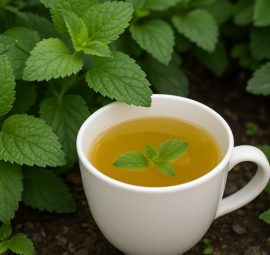
- Lemon Balm Tea (Melissa officinalis)
Lemon Balm has been used as a calming herb since the Middle Ages.
Its benefits reduce the stress hormone (cortisol) while increasing the relaxing neurotransmitter GABA. It also reduces insomnia and improves memory.
- Chamomile flower tea
Chamomile is especially beneficial for those who suffer from depression and anxiety. It can even be given to children because it is safe, but if you are one of those people allergic to ragweed plants, you may want to avoid chamomile as there is a chance of a reaction to the allergy.
https://www.cdc.gov/coronavirus/2019-ncov/daily-life-coping/managing-stress-anxiety.html https://www.psychologytoday.com/us/blog/inner-source/201401/ashwagandha-anxiety https://www.health.harvard.edu/staying-healthy/anxiety_and_physical_illness https://bebrainfit.com/natural-remedies-anxiety/