Turkish
 العربية

Last Updated on January 9, 2021 by souqnorwp
Introduction
Sleep, from a physiological standpoint, is a complex process that repair and regeneration the body. Scientists still don’t have a definitive explanation for why humans need sleep. We know that sleep is not a negative or “shutdown” of bodily functions; Sleep is believed to be important in many physiological processes including processing experiences and consolidating memories. It is also clear that sleep is essential, not just for humans but almost all animals. What confirms the importance of sleep are the symptoms experienced by those who have sleep problems. Sleep deprivation is associated with a number of physical and emotional disturbances. Sleep is affected by circadian rhythms (the body regularly changes mental and physical characteristics that occur within approximately 24 hours). These cells are controlled by nerve cells in the brain that respond to light, temperature, hormones and other signals and include the body’s biological clock. This watch helps regulate “normal” sleep-wake cycles. Disrupting these cycles can make people sleepy. Sometimes people get insomnia.
The main causes of sleep disturbances:
- Drinking caffeinated drinks, such as coffee, frequently, especially in the evening, and tea, even if it was green tea, because it contains caffeine to a certain extent.
- Excessive exercise that causes an acceleration in the heartbeat when going to sleep.
There are other causes of a rapid heartbeat
- The first reason: when the blood has a high acidity (high PH).
- The second reason: potassium deficiency.
- Consuming a lot of refined carbohydrates and sugars in the breakfast meal, because this will reflect on the person in the evening and craves carbohydrates, thus he may develop insomnia.
- Eating meals that contain a lot of fats late, because eating meals late makes digestion affect, and too much fats irritate the gallbladder and thus you will not be able to sleep comfortably.
- The ideal time to sleep is 10:30. This time depends on the biological clock or hormonal waves, so if you skip this time or skip the middle of the night, sleep will become difficult because you lost the wave and you have to wait for the appropriate time again to go to sleep.
- Lack of potassium and magnesium can cause cramps in the muscles of the body, and thus it is possible for some people to remain awake due to these spasms.
- Digestive problems (SIBO) is called an overgrowth of gut bacteria in the wrong place. This condition may cause the consumption of artificial sweeteners found in foods such as xylitol and erythritol, the body may be unfamiliar with them and thus cause gas or other intestinal disturbances.
- Some people sleep but their brains do not sleep, meaning they stay awake all the time, and this is most likely due to an old head injury.
- Conflicts with others or receiving bad news cause mental tension, which in turn causes a person to remain awake.
- Inflammation or muscle pain (fibromyalgia) causes insomnia, as well as a defect in the adrenal gland. One of the signs of an adrenal gland dysfunction is waking up at 2 am
- If the cortisol hormone is too high at the wrong time it will keep you awake.
- When you exercise and then stop doing exercise, what will happen is that (mitochondria) the energy factory in the cell has evolved more than its counterparts in normal people, and thus it stores more energy.
- Bladder activity, often due to insulin resistance, a precondition for diabetes, as well as an enlarged prostate prevents the bladder from retaining urine.
- The estrogen hormone begins to decline at the age of menopause, when it decreases further, it causes a high relative reading of estrogen, even if it is low.
- People who have nervous tension suffer from insomnia, so they should get enough magnesium, phosphorous, and B vitamins. Lack of vitamin B, magnesium and phosphorus causes the body to disturb, if the wrong lifestyle leads to a nervous disorder.
- Anger strains the body and makes the blood circulation speedy (hormonal stress), when this cycle is excessive, it takes all the hormones in a large way and sends them to the nerves, and thus there is an imbalance on the nerve conductors.
- Anxiety raises hormones. Hormonal tyranny is the number one cause of illness. Because of nervous tension, insomnia occurs.
- Phosphorous is an accelerator for the nervous system. If you eat large amounts of protein and insufficient amounts of vegetables, this may be the reason for your inability to sleep.
The results of sleep disturbances
- Failure to sleep for enough hours or poor sleep quality may cause many accidents, due to lack of concentration while driving or working in laboratories or others. Sleep deprivation has been a factor in some of the biggest disasters in modern history: the 1979 nuclear accident on Three Mile Island, the massive oil spill from Exxon Valdez, the 1986 nuclear meltdown at Chernobyl, among others.
- Sleep has a very important role in thinking and learning. Not getting enough sleep adversely affects cognitive ability, as a person cannot focus on his work or solve the problems he faces, whether in his work, daily life, or education. Where disturbance or lack of sleep makes learning more difficult and less efficient.
- Over time, insufficient sleep or sleep disturbances can contribute to symptoms of depression and anxiety.
Sleep loss often worsens symptoms of depression, and depression can make it difficult to sleep. If we treat sleep problems, we can somehow get rid of the symptoms of depression.
- Insufficient sleep affects the skin. Most people experience pale skin and puffy eyes after a few nights of lack of sleep. It turns out that chronic insomnia can lead to weak skin, fine lines, and dark circles under the eyes.
- Sleep disturbance makes a person forget, because it affects memory greatly. To have a sharp memory, get good sleep.
- Not sleeping enough hours or poor sleep quality can lead to weight gain because insufficient sleep is linked to increased hunger and appetite and possibly obesity.
Recent research has focused on the relationship between sleep and peptides that regulate appetite. “Ghrelin and leptin stimulate hunger signals to the brain and suppress the appetite,” says Sieber. “Shortening bedtime is associated with a decrease in leptin and an increase in ghrelin.”
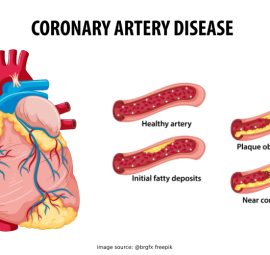
- Insufficient sleep can double the risk of dying from cardiovascular disease.
- Sleep loss weakens our judgment of events, and this harms our ability to make sound judgments because we may not evaluate situations accurately and act wisely about them. Sleep-deprived people are especially vulnerable to poor judgment when it comes to assessing their insufficient sleep.
- In our increasingly fast-paced world, working with less sleep has become an honor, but sleep specialists say if you think you are healthy in less sleep, then you are likely to be wrong. The important thing is to be able to judge your performance, as this can be a big problem.
“Studies show that over time, people who get six hours of sleep, instead of seven or eight hours, start to feel they have adapted to sleep deprivation – they get used to it,” Germain says. “But if you look at mental alertness and performance, it just keeps going down.
Solutions to get rid of sleep disturbances
- You should not excessive exercise.
- Long walks, because walking is a low-tension exercise that provides a lot of oxygen and is very useful for the adrenal gland, especially if you have been sitting in front of the computer for a long time.
- You should not consume a lot of apple cider vinegar or kombucha tea during the night because this raises the PH to a high level and increases the pulse rate and thus causes insomnia.
- You must obtain the essential minerals necessary for sleep. Potassium is a sedative, physiological nerve, that is, it calms the nervous system and keeps the heart rate low. If you do not consume enough potassium, the heart rate will rise. We need a lot of potassium and enough magnesium, so we can get these minerals from leafy greens.
- Eating a lot of green salads makes us sleep well, meat, fish and eggs contain large amounts of phosphorous.
- Avoid blue light early, that is, leave the computer and phone, turn off the TV, keep blue light in general from your bedroom and turn off the neon lights, even alarm clocks do not make them in your bedroom because it may affect sleep.
- Darkness stimulates the hormone melatonin, which is released by the pineal gland, between the time of the evening prayer until three o’clock in the morning, this hormone has many benefits for health.
- Focus on your breathing rhythm if you can’t sleep, because focusing on your breathing and the balance between inhale and exhale relaxes your nervous system.
- Sleeping on the right side, because the liver is on the right side, and the heart is on the left side in this case, the heart will be placed on the liver. On the right side).
- What helps not to think about bedtime is the vitamin B1 that will help you a lot available in nutritional yeast.
- Sometimes you need sea salt. You can also drink pickle water to get rid of cramps.
- Massages to relieve tension that is caused by the overactive adrenal gland, because tension prevents relaxation.
- If you want to go to sleep and are not able to check your body to be aware of any part of your body that is unable to relax, the only solution is to take B vitamins, especially B1, and stop eating sugar.
- Exercising regularly in this way will get rid of stored energy.
- If you are sitting in front of a computer, you have to get up and do some exercises to use the stored energy.
- Most of the people who suffer from insomnia women after the menstrual period should stay away from soft drinks, sweets, fried foods, meats and dairy products, instead of that, they eat fish, legumes, vegetables, fruits and dry fruits because they contain magnesium, and also eat barley instead of wheat.
- In the event of anxiety or anger, a person should abstain from eating, except for dates that can be eaten because they are easy to digest, and a person should sit down if he is standing and drink plenty of water. The food should contain mineral salts such as magnesium, iodine, phosphorous, and vitamin B.
- People who use fat and meat in abundance are irritable, so they should reduce them, and rely on barley, pumpkin, sesame, flaxseeds, natural almonds, natural walnuts, fish and natural eggs because they contain selenium, as well as dates because they contain iodine and a few B vitamins. These ingredients make nerves calm as well. Increase Vitamin D, Drinking More Water is an essential factor.
https://www.webmd.com/sleep-disorders/features/10-results-sleep-loss#1
https://www.drberg.com/blog/how-to-sleep-deep-and-wake-up-refreshed-must-watch
https://www.medicinenet.com/sleep/article.htm