
 Turkish
 العربية

Last Updated on May 8, 2020 by support SOUQNOR
What is vitamin D?
It is considered one of the fat soluble vitamins. It is produced when the skin is exposed to the sun, from certain foods, or as a dietary supplement, and it is biologically inert. That is, it must be activated in the body, and the first stimulation occurs in the liver and converts vitamin D into 25-hydroxy, (D3) (or what is called calcidiol. The second occurs in the kidneys, and vitamin D turns into a 1,25-d hydroxy (D2) known as calcitriol. Vitamin D promotes calcium absorption in the gut and maintains adequate calcium and phosphate concentrations in the blood to enable natural mineralization of bones and prevent calcium deficiency.
Benefits of Vitamin D
- There are previous studies that indicate that the normal vitamin D level can reduce the risk of respiratory infections such as influenza and tuberculosis as well as childhood asthma.
- Vitamin D appears to be able to inhibit pneumoniae responses while enhancing fungal defense mechanisms against respiratory pathogens. In studies conducted they found a link between the level of vitamin D and pulmonary infections.
- Vitamin D, which is related to the immune system, the researchers discovered the existence of a relationship with the immune conditions, chemical receptors on various immune cells, Vitamin D also has an important “non-classic” effect on the body’s immune system by modifying the innate and adaptive immune system, and the effect To produce important anti-bacterial peptides and internal viruses, such as cathelicidin, and to regulate the inflammatory chain. Vitamin D also regulates the adaptive immune system, especially T cells (TH1 cells, TH2 cells, TH17 cells, and T regulatory cells).
- Vitamin D also regulates the inflammatory cascade by modifying the pathway of the nuclear factor (NFκB).
- Vitamin D increases the concentration of minerals in the bones, and is necessary to enhance calcium absorption, which plays a major role in maintaining bone strength and the integrity of the skeleton. The Institute of Medicine (IOM) has recommended that the vitamin be taken daily at an amount of 800 IU / day, to maintain optimal bone health levels.
- In a study of more than 2,000 mothers, women with levels greater than 25-hydroxy vitamin D had a lower risk of premature birth.
- According to a study, it was found that women between the ages of 27 and 44 years, with high levels of vitamin D, were found to be less likely to develop symptoms of menstruation (the study found that consuming greater amounts of calcium was also associated with lower menstrual symptoms).
The relationship of vitamin D with reducing the risk of coronaviruses
- In an Indonesian study that included 780 cases of SARS infection from electronic medical records, the study was aimed at identifying patterns of deaths, age, gender and factors associated with them and the focus was on vitamin D. The study showed that the majority of deaths were elderly and male and had a chronic disease and a lower level of vitamin Natural D, these factors were more related to chronic disease and lower vitamin D level.
When controlling for age, gender, and comorbidity, the vitamin D condition is closely related to the outcome of the deaths with COVID-19 cases.
- Also, scientists from the Queen Queen Hospital Foundation Trust and the University of East Anglia, who studied the relationship of vitamin D produced by skin cells, when a person is exposed to the sun, may play a role in preventing death with SARS cov-2, this study included citizens of 20 countries European, to classify vitamin D levels, then compare the numbers of vitamin D levels with the relative numbers of COVID-19 deaths in each country. Initial results linked low levels of the vitamin D hormone, with COVID-19 mortality rates throughout Europe.
It was shown in this study that the population with a lower level of vitamin D had more CoV-2 deaths.
In their initial report, the researchers found that the majority of the population more susceptible to COVID-19 are also those with vitamin D.
This study was just a suggestion that people with high levels of vitamin D might help them reduce virus destruction.
Factors of vitamin D deficiency in many people
- Not getting enough sun, especially in winter.
- Eating a lot of sugars and carbohydrates consumes this vitamin.
- Intestinal absorption problems reduce the absorption of vitamin D.
- A study published in 2000 in the American Journal of Clinical Nutrition found that obesity limits the body’s ability to benefit from vitamin D, whether it is from sunlight or food sources, because fat cells hold vitamins and do not release them efficiently. That is, obesity can make vitamin D deficiency worse.
- People with diabetes or insulin resistance have lower levels of vitamin D than those with normal blood sugar.
- Inflammatory bowel disease.
The dangers of vitamin D deficiency
- Vitamin D deficiency causes rickets and osteoporosis.
- Multiple epidemiological studies have demonstrated in adults and children that vitamin D deficiency is associated with an increased risk of infection and an increase in its severity, especially in the respiratory system.
- In addition to preventing infection, recent studies have also demonstrated that a deficiency of vitamin D is linked to the severity of the disease, including an increase in the duration of the disease, and an increased mortality rate in those admitted to the intensive care units.
- Vitamin D deficiency may be an important risk factor for HIV infection.
- Lupus is often associated with a deficiency of vitamin D, which is a chronic inflammatory disease, in which the immune system attacks the body’s organs and tissues.
- Vitamin D may have a protective effect to reduce bacterial infection in the placenta, which can cause premature labor.
- Multiple Sclerosis: People with higher levels of D have a slower increase in brain lesion size, fewer new lesions, less brain size loss, and lower disability levels than those with low levels of D.
- A study in pharmacology and physiology found that women who suffer from hair loss have significantly lower levels of vitamin D than those who do not lose their hair. Vitamin D is important for the hair cycle and helps hair growth.
- Turkish researchers found that patients with alopecia areata, an autoimmune disease that attacks follicles and can cause hair loss throughout the body, have significantly lower levels of 25-hydroxy vitamin D and the lower the D levels, the more severe the disease.
- Research indicates that children with atopic dermatitis, a type of eczema, have more severe symptoms the lower the levels of vitamin D. In fact, exposure to sunlight while taking vitamin D supplements in the form of pills can improve eczema.
- Vitamin D is important for children’s dental health, and it was found that mothers who lacked vitamin D during pregnancy exposed their children to tooth decay. As this vitamin has a major role in protecting teeth with age, it was found in one study that the elderly who took vitamin D 700 international units with calcium every day for three years were less likely to lose teeth.
- Alzheimer’s and dementia: Studies have linked vitamin D decline to brain structure impairments, cognitive decline, and dementia. In a recent study in JAMA Neurology, which measures vitamin D and cognitive functions each year in a multi-ethnic group of elderly patients (half of whom had a form of cognitive impairment at the start of the study), low D levels were associated with accelerated cognitive decline.
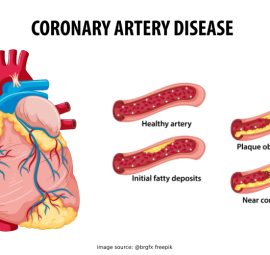
- Heart disease: One 2009 study found that people with extremely low levels of vitamin D were three times more likely to die from heart failure and five times as much as heart failure. However, experts say there is no evidence of a direct link between high levels of vitamin D and lowered cardiovascular risk.
- A study found that vitamin D deficiency is a risk factor for urinary tract infections in children, especially girls. Low levels of this vitamin are also associated with urinary tract infection in adults, and a study of women who had recurrent urinary tract infections found that vitamin D levels were lower than women who did not.
- Vitamin D deficiency can cause pelvic floor weakness, that is, the muscles that support the bladder, vagina, uterus, and rectum, and may lead to urinary incontinence, as well as potentially lead to fecal incontinence in women, according to a 2012 research review published in the International Journal of Urology. For women with poor bladder control, maintaining healthy levels of vitamin D can be just as important as doing pelvic floor exercises.
- There is a strong correlation between vitamin D deficiency and a mental health disorder. In a 2014 review of 19 studies, researchers found that 65% of people with schizophrenia have low levels of vitamin D. This thing does not mean that a deficiency of this vitamin causes schizophrenia. Experts assume that schizophrenia may cause vitamin D deficiency due to a change in lifestyle and diet of these patients.
- Vitamin D deficiency may cause depression, a study involving college students who had low levels of vitamin D were more likely to have clinically significant symptoms of depression, according to a 2015 study published in psychiatry research. The analysis of more than 31,000 research subjects, published in the British Journal of Psychiatry, also found correlation.
- Prostate cancer: Low levels of vitamin D were associated with more advanced and aggressive prostate tumors in patients, in a 2014 study in clinical cancer research, among African American men, a decrease in vitamin D was also associated with a higher risk of developing prostate cancer in the first place. A small pilot study from Charleston State Medical University in Charleston found that when prostate cancer patients received 4,000 IU vitamin D daily for 60 days, 60% of them showed improvement in their tumors. Another study is underway to determine whether these results can be replicated more broadly.
- The risk of osteoporosis increases with age, and because our bodies rely on vitamin D to enhance calcium absorption, which is important for bone density and strength. It was found that 50% of women who were treated for osteoporosis had an insufficient level of vitamin D.
Accordingly, the National Osteoporosis Foundation recommends taking 400 to 800 international units of vitamin D per day for adults under the age of 50 and 800 to 1,000 international units for those over 50 years of age.
- Rickets are usually caused by severe vitamin D deficiency. Babies between 3 and 36 months are at greater risk of rickets because their bones grow very quickly.
Vitamin D sources
Vitamin D is the only nutrient your body produces when exposed to sunlight.
But as many as 50% of the world’s population does not get enough sun.
The best healthy foods rich in vitamin D
- Wild salmon contains about 988 IU of vitamin D per serving, or 124% of vitamin D, while salmon raised on farms contain 250 IU on average. That is 32% of vitamin D.
- Herring contains 216 IU of vitamin D per (100 grams). Pickled herring, sardines and other fatty fish, such as halibut and mackerel, are also good sources.
- Cod liver oil contains 448 IU of vitamin D per teaspoon (4.9 ml), or 56% of vitamin D. It is also rich in other nutrients, such as vitamin A and omega-3 fatty acids. But be careful, as it contains vitamin A. Eating too much of it may be toxic. So you should not eat too much.
- Canned tuna contains 268 IU of vitamin D per serving. Light tuna must be chosen and eat (170 grams) or less per week to prevent methylmercury from accumulating.
- Eggs from commercially raised chicken contain about 37 IU of vitamin D per egg yolk. However, if chicken eggs are fed with organic food at large, the eggs are rich in vitamin D and contain much higher levels.
- Mushrooms can form vitamin D2 when exposed to ultraviolet light. Only wild mushrooms or UV-treated mushrooms are good sources of vitamin D.
https://www.sciencealert.com/covid-deaths-are-being-linked-with-vitamin-d-deficiency-here-s-what-that-means
https://papers.ssrn.com/sol3/papers.cfm?abstract_id=3585561
https://www.ncbi.nlm.nih.gov/pmc/articles/PMC3756814/
https://www.healthline.com/nutrition/9-foods-high-in-vitamin-d#3https://www.health.com/mind-body/vitamin-d-health-risks







Great information shared.. really enjoyed reading this post thank you author for sharing this post .. appreciated
I’m often to blogging and i really appreciate your content. The article has actually peaks my interest. I’m going to bookmark your web site and maintain checking for brand spanking new information.
You’re so awesome! I don’t believe I have read a single thing like that before. So great to find someone with some original thoughts on this topic. Really.. thank you for starting this up. This website is something that is needed on the internet, someone with a little originality!
I like the efforts you have put in this, regards for all the great content.
Awesome! Its genuinely remarkable post, I have got much clear idea regarding from this post
I really like reading through a post that can make men and women think. Also, thank you for allowing me to comment!
sitenizi takip ediyorum makaleler Faydalı bilgiler için teşekkürler
This was beautiful Admin. Thank you for your reflections.
Great information shared.. really enjoyed reading this post thank you author for sharing this post .. appreciated